


Korean gastronomy is one of the most representative cultural expressions of South Korea and a direct reflection of its history, values, and way of life. In recent years, its international presence has grown significantly, driven by the global interest in Korean culture and by an increasingly strong trend toward balanced, natural, and sustainable eating habits.
Tradition and Culinary Philosophy
Korean cuisine is rooted in a profound connection with nature and a deep respect for seasonal cycles. Traditionally, recipes have evolved according to climate, geography, and the availability of local ingredients, giving rise to a diverse and richly nuanced gastronomy. The principle of balance (both in flavors and in nutritional value) is essential: spicy, sweet, salty, bitter, and sour elements coexist harmoniously in each dish.
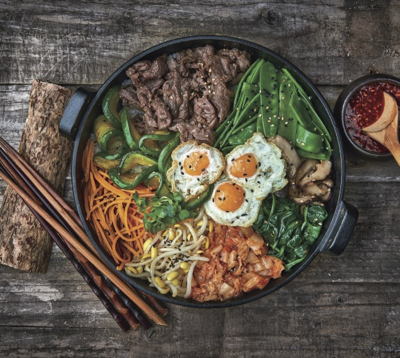
Dishes such as bibimbap, which combines rice, vegetables, meat, and egg, or bulgogi, grilled marinated meat, illustrate this pursuit of balance, as well as the importance of sharing food as a social and communal experience.
Fermentation as Cultural Heritage
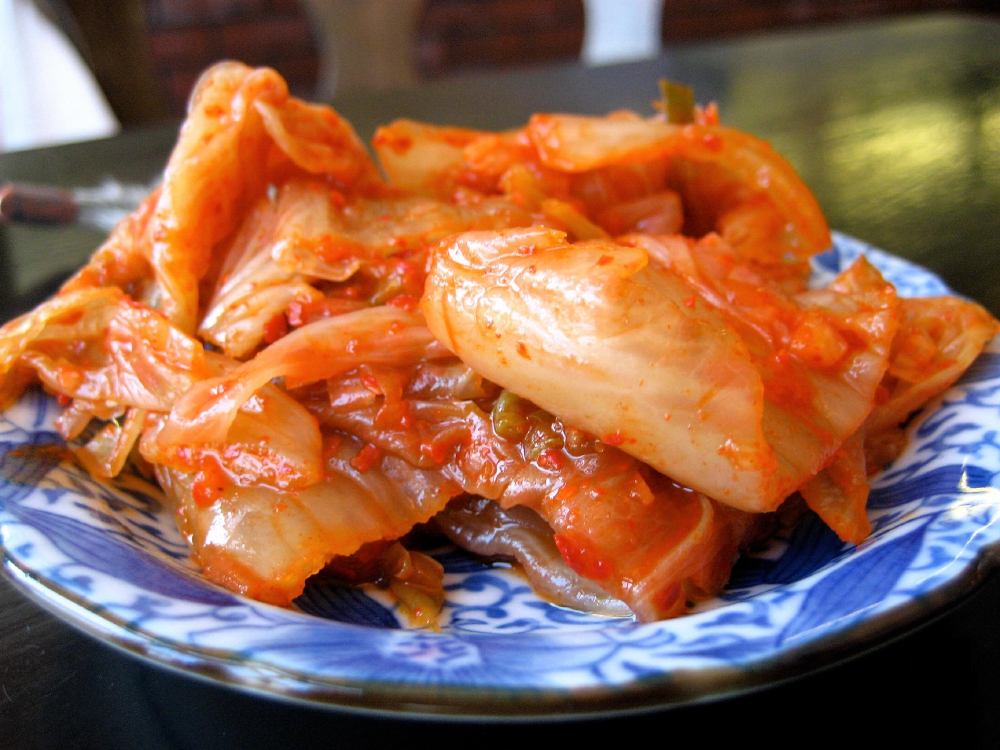
One of the most distinctive features of Korean gastronomy is the use of fermented foods, an ancestral technique that has made it possible to preserve ingredients for extended periods while enhancing their nutritional value. The most emblematic example is kimchi, which is present on virtually every Korean table and has been recognized by UNESCO as an Intangible Cultural Heritage of Humanity.
Fermentation not only contributes intense and complex flavors, but also strengthens the healthy character of this cuisine, aligning it with current trends in responsible consumption and overall well-being.
Health, Sustainability, and Global Trends
The predominant use of vegetables, legumes, fish, and natural seasonings makes Korean cuisine particularly appealing to today’s consumers. Its emphasis on ingredient diversity, balanced portions, and traditional preparation methods aligns with the demands of the European and Spanish markets, which are increasingly interested in healthy and authentic gastronomic options.
This growing interest has encouraged the expansion of Korean restaurants in Spain and the increased availability of Korean products in the food market, thereby opening new opportunities for business development and collaboration.
Recommendations of Noteworthy Korean Restaurants in Madrid:
- Restaurante Coreano GaRam
- PURY JOKBAL
- Kim's Barbacoa Coreana
- Restaurante Dimibang
- Restaurante Sarangbang
- Restaurante Dadam
Gastronomy as a Bridge between Korea and Spain
Korean cuisine has become firmly established as an effective instrument of cultural and economic diplomacy. Through gastronomic festivals, international trade fairs, culinary exchanges, and business initiatives, gastronomy serves as a meeting point that facilitates mutual understanding and fosters new synergies between the two countries.
From the perspective of the Spain–Korea Chamber of Commerce, the promotion of Korean gastronomy forms part of a broader strategy to strengthen bilateral relations, supporting initiatives that encourage cooperation in sectors such as hospitality, agri-food, tourism, and vocational training.
An Invitation to Discovery
Discovering Korean gastronomy means approaching a culture that values tradition, community, and the balance between modernity and historical heritage. Through its flavors, Korea shares with the world an essential part of its identity, offering Spain new opportunities for cultural and economic exchange.
Korean cuisine is not merely a gastronomic trend, but a vehicle for connection among societies, businesses, and institutions committed to dialogue and international cooperation.